
Artificial Intelligence Integration
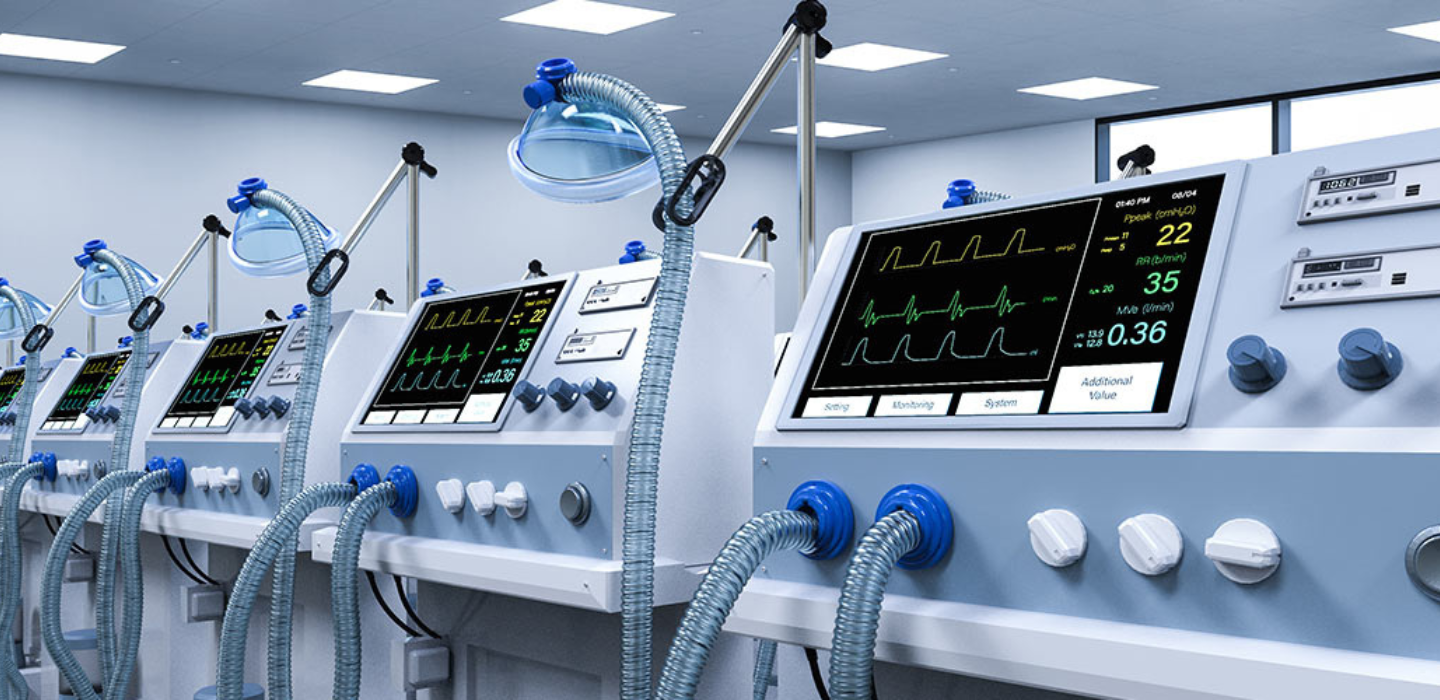
Artificial Intelligence has moved beyond experimental phases to become a core component of modern medical equipment. Today’s advanced patient monitors utilize AI algorithms to predict critical events hours before they occur, enabling proactive interventions that save lives and reduce ICU stays.
Machine learning models embedded in diagnostic equipment can now analyze medical images with accuracy rates exceeding 99%, often detecting abnormalities that might be missed by human operators. This technology is particularly valuable in radiology, pathology, and cardiology applications.
Real-Time Analytics and Predictive Healthcare
The integration of IoT sensors and edge computing has created a new generation of smart medical devices that continuously collect and analyze patient data. These systems provide:
- Real-time vital sign monitoring with intelligent alert systems
- Predictive maintenance scheduling for medical equipment
- Automated workflow optimization in clinical settings
- Personalized treatment recommendations based on patient history
“The convergence of AI, IoT, and medical technology is creating opportunities we never imagined possible. We’re moving from reactive to predictive healthcare.”— Dr. Sarah Chen, Chief Technology Officer at MedTech Innovations
Advanced Imaging Technologies
The latest generation of imaging equipment combines multiple modalities into unified platforms. Hybrid systems that integrate CT, MRI, and ultrasound capabilities allow clinicians to obtain comprehensive diagnostic information in a single session, reducing patient discomfort and improving diagnostic accuracy.
3D printing technology has revolutionized surgical planning and custom implant manufacturing. Surgeons can now create patient-specific models and instruments before procedures, leading to more precise operations and better outcomes.
Robotic-Assisted Surgery Evolution
Robotic surgical systems have evolved significantly, with new platforms offering enhanced dexterity, improved visualization, and haptic feedback that provides surgeons with a sense of touch during procedures. These advances enable minimally invasive surgeries with unprecedented precision.
The latest surgical robots incorporate AI-powered navigation systems that can identify critical structures and suggest optimal surgical paths, reducing complications and improving patient safety.
Telemedicine and Remote Monitoring
The integration of medical equipment with telemedicine platforms has created a seamless healthcare delivery model. Portable diagnostic devices can now transmit data in real-time to healthcare providers, enabling continuous monitoring of patients in their homes or remote locations.
Smart wearable devices have evolved beyond simple fitness tracking to become medical-grade monitoring tools that track heart rhythm, blood oxygen levels, glucose concentrations, and other vital parameters with clinical accuracy.
Future Implications
As we look toward the future, the convergence of these technologies promises to create an integrated healthcare ecosystem where prevention, diagnosis, treatment, and recovery are seamlessly connected. The focus is shifting from treating illness to maintaining wellness through continuous monitoring and early intervention.
Healthcare facilities that embrace these technologies are seeing improved patient outcomes, reduced costs, and enhanced operational efficiency. The investment in advanced medical equipment is not just about having the latest technology—it’s about providing better care and creating sustainable healthcare systems.
At Rad Medical Engineering, we stay at the forefront of these innovations, ensuring our clients have access to the most advanced medical equipment and the expertise needed to maximize its potential in improving patient care and operational excellence.